
Revitalized Research posts a batch certificate of analysis for the research peptides listed on this page. Each certificate comes from an outside US analytical laboratory, names the lot number printed on the label, and reports compound identity and purity by UPLC-MS together with the measured quantity in the container. The full set lives in the COA library; this page gathers the listings that currently have a certificate and explains what “lab-tested” does and does not tell a laboratory.
What our batch certificates report
| What the posted certificates show | As of October 2, 2026 |
|---|---|
| Listings with a batch certificate | 29 research peptide listings (15 vials, 14 pens) |
| Certificates posted | 32 purity certificates covering 17 distinct batches (a vial and its pen share one batch number when filled from the same lot) |
| Testing laboratory | Horizon Analytical (horizonanalytical.com), USA |
| Method on the purity certificates | UPLC-MS (ultra-high-performance liquid chromatography with mass spectrometry) |
| Specification printed on the certificates | Purity >98% |
| Purity results reported | 99.16% to 99.50% |
| Analysis dates | June 1 to July 9, 2026 |
| Also reported where available | Measured quantity per container; endotoxin (EU/mL) on a separate certificate |
A purity percentage on its own says little. What makes a certificate useful is that it ties a result to one compound, one lot and one dated analysis by a named lab. That is why every card on the site shows the batch number first, and why the vial and pen versions of a compound carry the same number when they were filled from the same lot.
Lab-tested research peptide vials
-

BPC-157
Price range: $39.99 through $44.99Add to cart This product has multiple variants. The options may be chosen on the product page -

GLP-3R
Price range: $89.99 through $189.99Add to cart This product has multiple variants. The options may be chosen on the product page -

GHK-Cu
Price range: $44.99 through $59.99Add to cart This product has multiple variants. The options may be chosen on the product page -

TB-500
$74.99Add to cart This product has multiple variants. The options may be chosen on the product page -

Tesamorelin
$69.99Add to cart This product has multiple variants. The options may be chosen on the product page -

KLOW
$94.99Add to cart This product has multiple variants. The options may be chosen on the product page -

GLOW
$84.99Add to cart This product has multiple variants. The options may be chosen on the product page -

Selank
$39.99Add to cart This product has multiple variants. The options may be chosen on the product page -

Semax
$39.99Add to cart This product has multiple variants. The options may be chosen on the product page -

CJC-1295 + Ipamorelin Blend
$49.99Add to cart This product has multiple variants. The options may be chosen on the product page -

Ipamorelin
$44.99Add to cart This product has multiple variants. The options may be chosen on the product page -

Mots-C
$39.99Add to cart This product has multiple variants. The options may be chosen on the product page -
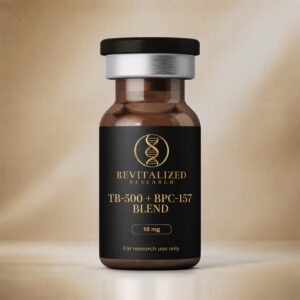
TB-500 + BPC-157 Blend
$59.99Add to cart This product has multiple variants. The options may be chosen on the product page -

Melanotan 2
$39.99Add to cart This product has multiple variants. The options may be chosen on the product page -

NAD+
$59.99Add to cart This product has multiple variants. The options may be chosen on the product page
Lab-tested research peptide pens
The same compounds in prefilled pen format, each with the certificate of the batch it was filled from. The format differences are explained on our research peptide pens page.
-
GLP-3 (Pen)
Price range: $139.99 through $239.99Add to cart This product has multiple variants. The options may be chosen on the product page -
Tesamorelin (Pen)
Price range: $89.99 through $269.99Add to cart This product has multiple variants. The options may be chosen on the product page -
MOTS-C 10mg (Pen)
$99.99 -
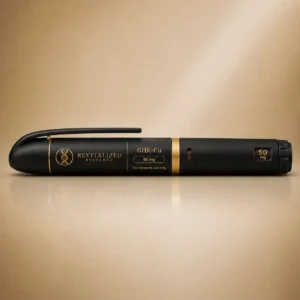
GHK-CU (Pen)
Price range: $104.99 through $119.99Add to cart This product has multiple variants. The options may be chosen on the product page -
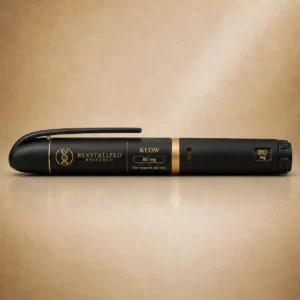
KLOW 80 mg (Pen)
$149.99 -
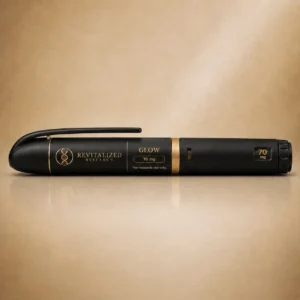
GLOW 70 mg (Pen)
$129.99 -
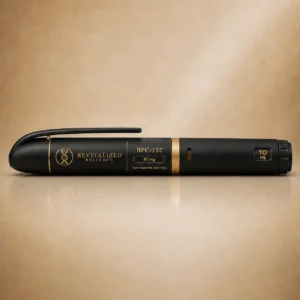
BPC-157 10 mg (Pen)
$109.99 -
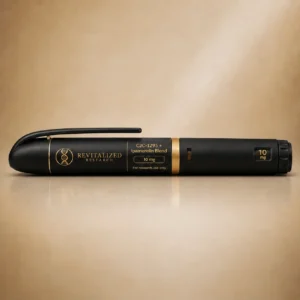
CJC-1295 + Ipamorelin Blend 10 mg (Pen)
$99.99 -
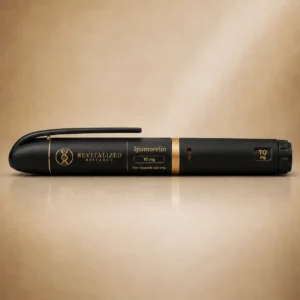
Ipamorelin 10 mg (Pen)
$109.99 -
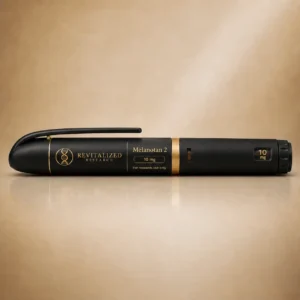
Melanotan 2 10 mg (Pen)
$109.99 -
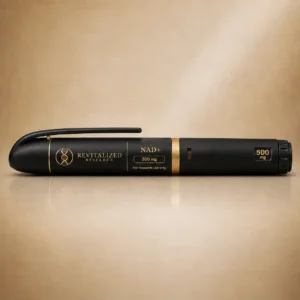
NAD+ 500 mg (Pen)
$119.99 -
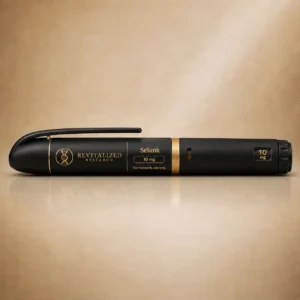
Selank 10 mg (Pen)
$109.99 -
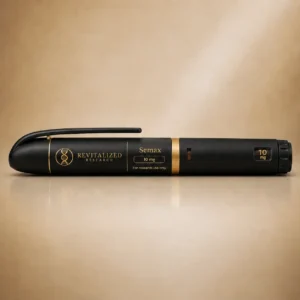
Semax 10 mg (Pen)
$109.99 -
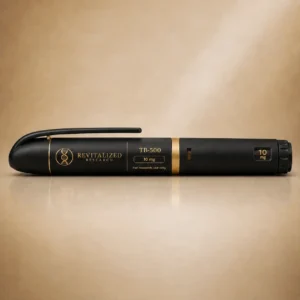
TB-500 10 mg (Pen)
$119.99
Third-party testing vs in-house testing
A third-party certificate is issued by a laboratory that is not the seller, with the seller listed as the client. That separation matters because the lab, not the store, signs the result, and the lab can be contacted to confirm that a report number and lot really exist. In-house testing can be rigorous too, but a reader has no outside party to check it against. The certificates posted here name Revitalized Research LLC as the client and Horizon Analytical as the issuing lab.
Testing also has limits worth stating plainly. A purity certificate describes the batch sample the lab received on a given date; it does not describe handling after the container leaves the warehouse, and it does not replace a laboratory’s own incoming checks. Our guide on HPLC vs mass spectrometry purity testing explains what each part of the method measures, and how to read a peptide COA walks through the sections of a certificate.
How to check a certificate against your vial
- Read the lot number printed on the vial or pen label.
- Open the product page and find the certificate card: the batch number on the card must match the label exactly.
- Open the certificate PDF and check that the compound, the lot and the quantity match the listing you bought.
- Check the lab: the certificate names the testing laboratory and its contact address, so the report can be confirmed with the lab itself.
- Look for a separate endotoxin report under the same batch number if your work needs one.
The step-by-step version, including the red flags that make a certificate worthless, is in how to verify a peptide COA. Store lyophilized material as described in our peptide storage basics guide, and keep reconstitution water as a separate item.
Frequently asked questions
What does “lab-tested” mean for a research peptide?
On this site it means the listing has a batch certificate of analysis from an outside analytical laboratory. The certificate names the compound, the lot number, the purity result against its specification, the measured quantity in the container, the analysis date and the testing lab. Where an endotoxin report exists for the batch, it is posted under the same batch number.
Who tests Revitalized Research peptides?
The certificates currently posted were issued by Horizon Analytical, a US analytical laboratory, for Revitalized Research LLC as the client. The lab is named on every certificate along with its contact address, so a researcher can confirm a report directly with the lab.
Is every product on the site third-party tested?
No blanket claim is made. This page lists the listings that have a batch certificate posted today; a few catalog items do not have a certificate card yet. Certificates are added to the COA library as new batches are documented, and each product page shows its own card when one exists.
What testing method do the certificates report?
The purity certificates report ultra-high-performance liquid chromatography with mass spectrometry (UPLC-MS): chromatography measures purity as a share of the main peak, and mass spectrometry confirms the compound identity by its mass. Endotoxin certificates report a separate endotoxin result in EU/mL.
Are these peptides for human use?
No. Every product is supplied for qualified laboratory research only and is not for human or animal consumption, administration, or any medical, cosmetic or veterinary use.
All products sold by Revitalized Research are intended for laboratory research use only. They are not for human or animal consumption. Statements on this page have not been evaluated by the Food and Drug Administration.
